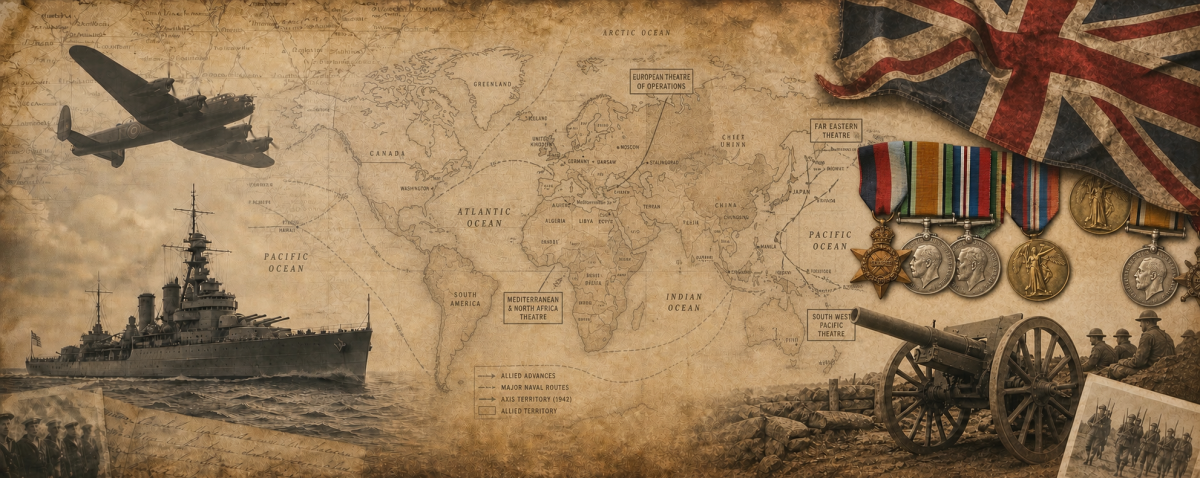

Sergeant Henry Thomas Chilcott was a Somerset-born soldier of Prince Albert’s (Somerset Light Infantry) who was killed in action in France on 1 July 1916, on the opening day of the Battle of the Somme.[file:546] His story links a rural childhood in Stogursey and Shurton with the devastation of the Somme, where the 8th Battalion of the Somerset Light Infantry suffered heavily in the attack on the German positions near Ovillers and La Boisselle.[file:546][web:559]
Sergeant Henry Thomas Chilcott, 3/7986, Prince Albert’s (Somerset Light Infantry), was killed in action on 1 July 1916 and lies at Gordon Dump Cemetery.
Family report and Commonwealth War Graves Commission
Early Life and Family
Henry Thomas Chilcott was born before 14 April 1878 in Stogursey, Somerset, and was baptised there on 14 April 1878.[file:546] He was the son of Clement Chilcott and Elizabeth Welsh, and his early life was shaped by the rural communities around Stogursey, Shurton and Higher Stolford.[file:546] The census entries show him aged three in Shurton in 1881 and working as an agricultural labourer at Carile Cottage, Higher Stolford, by 1891.[file:546]
These records place him firmly within the west Somerset countryside, where family labour and seasonal work were a normal part of life.[file:546] By 1911 he had moved to Newport, Monmouthshire, where he was living at 119 Durham Road as a single boarder and was recorded as a labourer in naval work.[file:546] That move suggests a man who had followed employment away from his home parish before the war, while still maintaining strong ties to Somerset.[file:546]
The family report does not record a wife or children, and the notes describe him as a single man at the time of his death.[file:546] A contemporary newspaper report in the Western Daily Press also stated that he had “recently been residing with an older brother at Newport,” reinforcing the impression of an unmarried working man whose closest family links remained with Somerset and Monmouthshire.[file:546] The same report noted that three of his brothers had also served, and that another brother, Private Simon Chilcott, had already been killed in June 1915.[file:546]
Military Service
Henry Chilcott enlisted again on the outbreak of war in 1914 as a time-expired soldier, serving as a Sergeant in Prince Albert’s (Somerset Light Infantry) with the service number 3/7986.[file:546] He had already completed military service before the war and returned to the colours when the crisis began, a pattern that was common among older reservists and time-expired men in 1914.[file:546] His military medals were the 1915 Star, British War Medal and Victory Medal, confirming overseas service in the early years of the war.[file:546]
The Somerset Light Infantry, often called the “Somersets”, was one of the county regiments of the British Army and drew heavily on local recruiting in Somerset and surrounding areas.[web:555] By the summer of 1916 the regiment’s 8th Battalion was a service battalion, originally formed at Taunton in October 1914 as part of the K3 New Army, and it had already been through the brutal opening period of the Somme offensive.[web:556][web:559] Henry’s sub-unit is recorded as the 8th Battalion (Service), attached to 63rd Brigade, 21st Division, and later 37th Division, showing that he served in a battalion committed to the main British attack on 1 July 1916.[file:546]
On 1 July 1916, the 8th Battalion, Somerset Light Infantry was part of the infantry assault on the Somme and suffered severe casualties under machine-gun fire.
Somerset regimental history and Somme battlefield accounts
Unit Context at Time of Death
At the time of Henry Chilcott’s death, the 8th Battalion, Somerset Light Infantry was fighting in the 63rd Brigade of the 21st Division, with its battalions aligned in the opening assault on the Somme.[file:546][web:556][web:559] On the first day of the battle, the 21st Division attacked east of Albert, with the Somersets advancing against strong German defensive positions near Ovillers, La Boisselle and the battlefield belt north of Fricourt.[web:559][web:548] The attack met devastating machine-gun fire and artillery, and the battalion’s losses were part of the huge casualties suffered across the British Army that morning.[web:559]
The 8th Battalion had been created as a war-raised battalion and was therefore composed largely of volunteers and wartime recruits rather than long-service regulars.[web:556] As a service battalion, it was intended for offensive infantry work and was thrown into one of the largest set-piece attacks of the war, where success depended on artillery preparation, infantry movement and the breaking of the German front line system.[web:559] The battalion’s role on 1 July was not defensive or support work but a direct assault role, which made it vulnerable to the entrenched machine-gun positions that dominated the German line.[web:559]
After the battle, the 63rd Brigade and the 21st Division’s infantry were moved onwards through the Somme sector, and by 8 July 1916 the brigade was transferred to the 37th Division.[web:556] That transfer reflects the rapid reorganisation that followed the catastrophic opening day losses, when even successful units had to be reinforced, shifted or rebuilt almost immediately.[web:556][web:559] Henry’s service therefore belongs to a battalion that was fully engaged in the first great assault of the Somme and was part of the wider bloodletting that defined that day.[file:546][web:559]
Circumstances of Death
Henry Chilcott was killed in action in France on 1 July 1916, aged thirty-eight.[file:546] The family report and the death notice in the Western Daily Press both place his death on that date and identify him as a Somerset Light Infantry sergeant who had re-enlisted at the outbreak of war.[file:546] The newspaper also described him as a “time-expired man”, highlighting the fact that he had already completed an earlier period of military service before returning for the war.[file:546]
His death took place during the first day of the Battle of the Somme, when the 8th Battalion was advancing under extremely heavy fire.[web:559] The battlefield around Ovillers and La Boisselle was among the most deadly on the whole front, and the later burial location at Gordon Dump Cemetery indicates that he was recovered in the Somme sector after the fighting.[file:546][web:548] Although the report does not describe the exact moment of his death, the combination of date, battalion, and battlefield strongly links him to the opening assault on the German lines north of Albert.[file:546][web:559]
Burial and Commemoration
Henry Chilcott was buried after 1 July 1916 in Gordon Dump Cemetery, Ovillers, Somme, Picardie, France, in Plot V, Row P, Grave 1.[file:546] Gordon Dump Cemetery was formed close to the Somme battlefields and contains many burials from the fighting around Ovillers and La Boisselle.[web:548] Its location fits the movements of units engaged in the opening attacks and the later concentration of graves from battlefield burials and isolated interments.[web:548]
The Commonwealth War Graves Commission record for H. T. Chilcott confirms his rank, regiment, date of death and burial at Gordon Dump Cemetery.[file:546] He is also commemorated through local remembrance and family history, with the family report noting a Find a Grave memorial and the newspaper notice that brought news of his death to Somerset readers in August 1916.[file:546] The report’s note that another brother, Simon Chilcott, had been killed in 1915 adds a further layer of family sacrifice to his commemoration.[file:546]
Legacy
Henry Thomas Chilcott’s life illustrates the experience of many rural Somerset men who moved between agricultural work, labouring jobs and military service before being drawn into the Great War.[file:546] He was not a young recruit but an experienced man who had already served, returned to civilian life, and then rejoined the army when the war began.[file:546] That background makes his death on the Somme especially poignant, because it came amid the first vast infantry assault of the war’s most infamous battle.[web:559]
Sources and Further Reading
- Compiled family report: Individual Report for Henry Thomas Chilcott.[file:546]
- Commonwealth War Graves Commission: Sergeant H. T. Chilcott.[file:546]
- Somerset Light Infantry in the First World War.[web:556]
- Webmatters: Fricourt and the Somme attacks.[web:559]
- Gordon Dump Cemetery, Ovillers-la-Boisselle.[web:548]
- Roll of Honour.[web:550]
Discover more from Mike's Cousins
Subscribe to get the latest posts sent to your email.