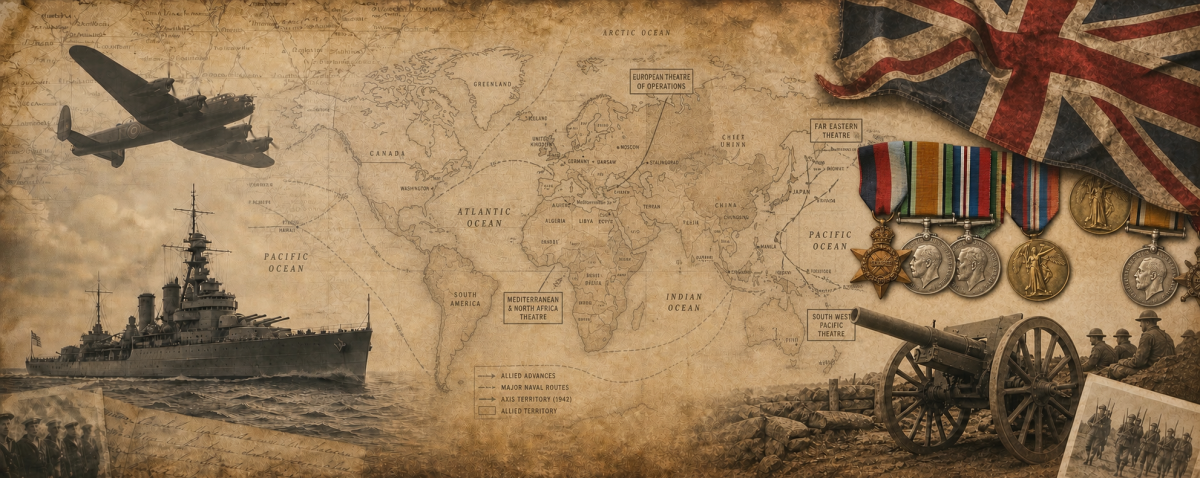

Private Norman Henry Hughes, 229339, formerly 4496 East Kent Regiment and later serving with the London Regiment (Royal Fusiliers), died of wounds from gas shell injuries on 22 May 1918 and was buried at St Sever Cemetery Extension, Rouen.
Family report and commemorative casualty listing
Early Life and Family
Norman Henry Hughes was born in the closing months of 1898 at Willesborough, Kent, before being baptised on 5 February 1899 at St Mary the Virgin, Willesborough.[file:122] He was the son of Thomas Henry Hughes and Lucy Annie Cook, and by the 1901 census he was living in Folkestone, where he was recorded as a two-year-old son in the household.[file:122] The family remained in Folkestone, and in the 1911 census Norman was living at 32 Marshall Street, where he was still a scholar.[file:122]
By 1918 the family’s addresses linked him both to Folkestone and to Dover, with the report giving 32 Marshall Street, Folkestone, and 23 Victoria Dwellings, Dover, as places associated with him or his family at the time of his service.[file:122] These addresses place Norman firmly within the east Kent coastal communities that supplied many recruits to the British Army during the Great War.[file:122] The report records no marriage and no children, so his life remained closely tied to his parents’ household and wider family circle.[file:122]
Military Service
Norman enlisted at Canterbury, Kent, in 1918, entering military service during the final and most intense phase of the war on the Western Front.[file:122] His rank was Private, and his principal service number is given as 229339, though the report also records earlier or associated numbers including 201572 in the East Kent Regiment and former number 4496.[file:122] Such multiple numbers were common in First World War service, especially where men transferred between battalions or were renumbered within Territorial and county regiment systems.[file:122]
The family report identifies him as serving with the London Regiment (Royal Fusiliers), while also noting service with the East Kent Regiment and stating that he was “1st Battalion; posted to 10 Battalion”.[file:122] A commemorative casualty listing from the Dover War Memorial Project gives a more specific combined wording, describing him as “Private, Norman Henry, 229339, 1st Bn, London Regiment (Royal Fusiliers) posted to 10th Bn, Royal Fusiliers, died of wounds (gas) 22 May 1918”.[web:124] Taken together, these records strongly suggest that Norman’s service involved transfer or attachment between related London Regiment and Royal Fusiliers formations while retaining traces of earlier East Kent Regiment service in the paperwork.[file:122][web:124]
Unit Context at the Time of Death
Although the surviving summary is brief, the evidence indicates that at the time of his fatal wounding Norman was associated with a London Regiment battalion linked to the Royal Fusiliers, and had been posted to a 10th Battalion designation by May 1918.[file:122][web:124] By that stage of the war, infantry battalions on the Western Front were operating under relentless pressure from the German spring offensives launched in March 1918 and from the subsequent defensive and counter-offensive fighting that continued through the spring.[web:124] Men wounded by gas shelling in this period often died not immediately in the trenches but later in casualty clearing stations or base hospitals further to the rear.[web:128][file:122]
Norman’s burial at St Sever Cemetery Extension, Rouen, is highly significant in understanding the military context of his death.[file:122] Rouen was one of the principal medical and logistical centres behind the British lines, and St Sever Cemetery Extension became the burial place of thousands of soldiers who died in the city’s hospitals after being evacuated wounded from the front.[web:128][web:133] His grave there therefore fits closely with the report’s statement that he died of wounds caused by gas shells, indicating that he was evacuated from the combat zone but did not recover.[file:122][web:128]
The phrase “died of wounds/Gas shell wounds” in the family report tells us that his death was the result of chemical shellfire rather than an instantly fatal battlefield injury.[file:122] Gas warfare remained a brutal feature of the Western Front in 1918, with mustard gas and other agents causing terrible burns to lungs, skin and eyes, and often leading to prolonged suffering before death.[file:122] In Norman’s case, the move from the front to hospital at Rouen and then burial at St Sever Cemetery Extension reflects the grim medical chain through which many gas casualties passed in the final year of the war.[file:122][web:128]
Norman Henry Hughes was one of the many young infantrymen of 1918 whose war ended not in an identified battlefield grave, but in a base hospital far behind the line after gas shell injuries proved fatal.
Family report and St Sever Cemetery context
Circumstances of Death
Private Norman Henry Hughes died in France on 22 May 1918 at the age of nineteen.[file:122] Both the family report and the commemorative casualty entry agree that he died of wounds resulting from gas shell injuries.[file:122][web:124] This places his death among the many casualties of the attritional fighting of 1918, when poison gas remained an effective and feared weapon even in the last months before Allied victory.[file:122]
Because he was buried at Rouen rather than in a front-line cemetery, it is likely that he survived long enough to be transported away from the battlefield for treatment.[file:122][web:128] St Sever Cemetery Extension was closely associated with the hospitals of Rouen, and burials there usually represent men who died after receiving medical attention rather than those buried near where they fell.[web:128][web:133] In that respect Norman’s death is a reminder that fatal war service often continued beyond the trench itself, through the hospital system that struggled to cope with the scale and severity of modern industrial warfare.[web:128]
Burial and Commemoration
Norman was buried in St Sever Cemetery Extension, Rouen, in grave reference Q. III. N. 17.[file:122] This cemetery extension contains a very large concentration of First World War burials and is especially associated with the medical establishments of Rouen, one of the British Expeditionary Force’s most important rear-area centres.[web:128][web:133] His burial there confirms both the official care taken over his commemoration and the fact that his final days were spent away from home in one of the war’s great hospital cities.[file:122][web:128]
The report also notes his entitlement to the Victory Medal, British War Medal, and Memorial Death Plaque.[file:122] These standard awards marked overseas war service and death in service, and would have been issued to or in memory of his next of kin after the war.[file:122] They formed part of the material culture of remembrance for bereaved families in Kent and across Britain.[file:122]
Legacy
Norman Henry Hughes belongs to that large and poignant group of British soldiers who were scarcely out of school before the war claimed them.[file:122] The movement from childhood in Folkestone to enlistment at Canterbury and death in France in 1918 traces a short life shaped almost entirely by east Kent and then broken by the demands of total war.[file:122] The supplied report identifies him as a second cousin three times removed to the researcher, ensuring that his memory survives not only in official records but within the living framework of family history.[file:122]
Sources and Further Reading
- Compiled family report: Individual Report for Norman Henry Hughes.[file:122]
- Commonwealth War Graves Commission: Norman Henry Hughes.[file:122]
- Dover War Memorial Project: WWI France (S), casualty listing for Private Norman Henry Hughes.[web:124]
- St Sever Cemetery Extension, Rouen, cemetery overview and burial context.[web:128]
- Canterbury Stories: St Sever Cemetery Extension context.[web:133]
- A Street Near You: London Regiment (Royal Fusiliers) casualties.[web:134]
